
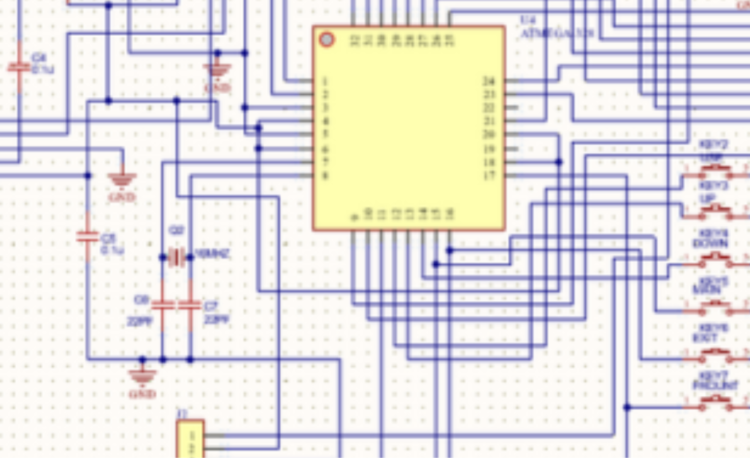
A circuit board design course is an important learning path for anyone who wants to enter the electronics and hardware industry. Circuit boards, also called printed circuit boards (PCBs), are the foundation of modern electronic devices. Every electronic product, from simple consumer gadgets to advanced industrial systems, depends on well-designed circuit boards. This course helps learners understand how electronic circuits are converted into functional and manufacturable PCBs.
What Is a Circuit Board Design Course?
A circuit board design course teaches the complete process of PCB design, starting from basic electronics concepts to final manufacturing output. The course focuses on schematic design, component placement, routing, and preparing files for PCB fabrication and assembly. It combines theoretical knowledge with practical training so learners can design real-world circuit boards confidently.
These courses are suitable for beginners as well as professionals who want to improve their hardware design skills.
Why Learn Circuit Board Design?
The demand for skilled PCB designers is increasing due to the rapid growth of electronics, embedded systems, IoT devices, and automation technologies. A circuit board design course helps learners gain industry-relevant skills that are essential for electronics-related jobs. It also allows individuals to work independently on projects, prototypes, and product development.
Learning circuit board design reduces dependency on third-party designers and improves understanding of hardware functionality and reliability.
Topics Covered in a Circuit Board Design Course
A comprehensive circuit board design course covers the full PCB design lifecycle. Common topics include:
- Basics of electronics and electronic components
- Understanding circuit diagrams and schematics
- Creating schematic symbols and footprints
- PCB layout fundamentals and board planning
- Single-layer and multi-layer PCB design
- Track routing techniques and spacing rules
- Power and signal integrity basics
- Design rule checks (DRC) and error fixing
- Generating Gerber and manufacturing files
- Overview of PCB fabrication and assembly
These topics help learners design circuit boards that meet both electrical and manufacturing standards.
Software Tools Used in Circuit Board Design Training
Most circuit board design courses include hands-on training using industry-standard PCB design software. Learners practice schematic capture, board layout, component placement, and routing. Software-based learning improves accuracy, efficiency, and understanding of professional workflows. Exposure to real tools prepares learners for industry projects and job roles.
Benefits of a Circuit Board Design Course
Taking a circuit board design course offers many advantages:
- Strong foundation in PCB design concepts
- Practical knowledge through hands-on projects
- Improved understanding of manufacturing constraints
- Reduced design errors and rework costs
- Better job opportunities in electronics companies
- Support for freelancing and custom PCB design work
The course also helps learners understand how design decisions affect performance, reliability, and cost.
Who Should Take a Circuit Board Design Course?
A circuit board design course is ideal for:
- Electronics and electrical engineering students
- Diploma holders in electronics
- Embedded system developers
- Hardware and product design engineers
- Hobbyists and makers
- Entrepreneurs developing electronic products
Beginner-level courses usually start from fundamentals, so prior advanced knowledge is not mandatory.
Career Opportunities After Completing the Course
After completing a circuit board design course, learners can work as PCB design engineers, hardware engineers, or electronics design engineers. Many professionals also choose freelancing, consulting, or startup roles. With experience, designers can move into advanced areas such as high-speed PCB design, industrial electronics, automotive systems, and medical devices.
Conclusion
A circuit board design course is a valuable investment for anyone interested in electronics and hardware development. It provides practical skills, industry knowledge, and long-term career benefits. As electronic systems continue to evolve, skilled PCB designers will remain in high demand. Learning circuit board design today opens doors to strong career growth and technical excellence in the future.