
Introduction
PCB Reverse Engineering is the process of analyzing an existing Printed Circuit Board (PCB) to understand how the electronic circuit is designed and how different components are connected. In many cases, the original schematic diagram, design files, or documentation of a PCB may not be available. Reverse engineering helps engineers study the physical board and recreate the circuit design.
Printed Circuit Boards are used in almost every electronic device, including computers, communication equipment, industrial machines, and embedded systems. These boards contain many electronic components such as resistors, capacitors, diodes, transistors, and integrated circuits. All these components are connected through copper traces that form the complete electronic circuit.
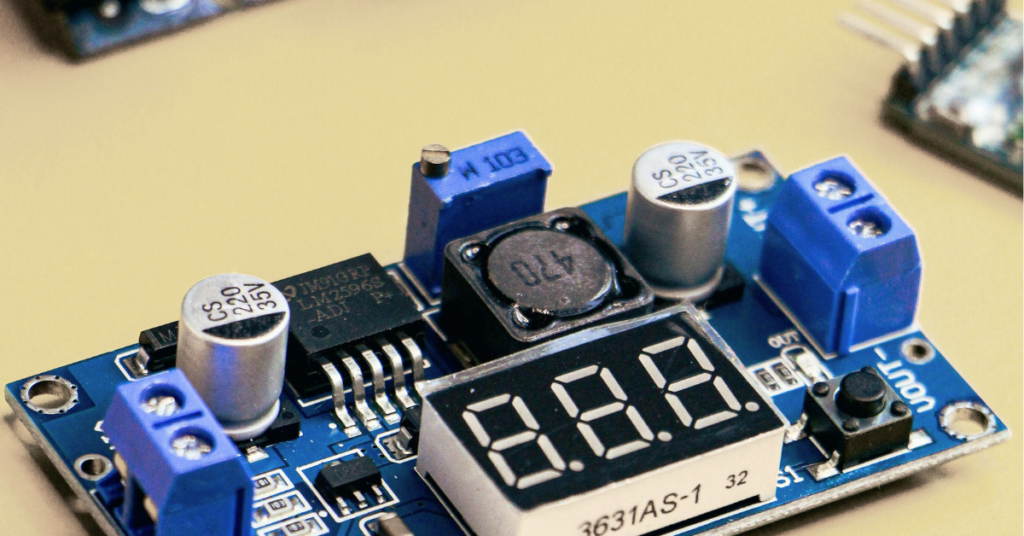
PCB reverse engineering allows engineers to carefully analyze these connections and recreate the circuit diagram. By studying the PCB layout and tracing the copper tracks, engineers can identify how signals travel through the circuit and how each component contributes to the overall function of the device.
Modern PCB design tools such as Altium Designer are often used to recreate the schematic diagrams and PCB layouts during the reverse engineering process. These tools help engineers redraw the circuit and verify its functionality.
Applications of PCB Reverse Engineering
1. Electronic Device Repair
One of the most common applications of PCB reverse engineering is repairing electronic devices. When a device becomes faulty and the circuit diagram is not available, engineers can analyze the PCB to understand the circuit structure. This helps in identifying damaged components and fixing the problem efficiently.
2. Product Analysis and Study
Engineers often study existing electronic products to understand their circuit design and functionality. PCB reverse engineering helps them analyze competitor products and learn advanced circuit design techniques used in commercial devices.
3. Redesign and Product Improvement
Reverse engineering also helps engineers redesign existing circuits. After recreating the circuit diagram, engineers can modify the design to improve performance, reduce cost, or add new features. This is very useful in developing improved versions of electronic products.
4. Educational and Learning Purposes
PCB reverse engineering is very useful for students and beginners in electronics engineering. By studying real circuit boards, students can learn how theoretical concepts are applied in practical electronic systems. It helps them gain practical knowledge about circuit design, component placement, and signal routing.
Conclusion
PCB reverse engineering is an important technique in electronics engineering that helps analyze and recreate circuit designs from existing printed circuit boards. It plays a vital role in device repair, product analysis, design improvement, and technical education. By learning PCB reverse engineering, engineers and students can better understand real-world electronic circuit design and development.