
Introduction
A speaker is an electronic output device that converts electrical signals into audible sound. It is one of the most important components in audio systems and is used to reproduce music, speech, alarms, and other sound signals. Speakers are widely used in consumer electronics, industrial equipment, communication devices, automotive systems, home entertainment, and embedded projects. Their ability to produce clear and accurate sound makes them an essential part of modern electronic applications.
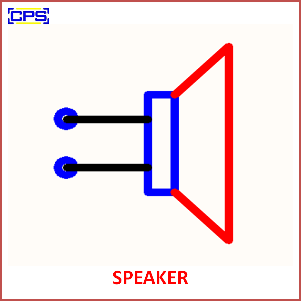
Overview of Speaker Technology
Speakers are designed to transform electrical energy into mechanical vibrations that travel through the air as sound waves. Depending on their design and purpose, speakers can produce low-frequency bass, mid-range vocals, or high-frequency treble sounds. Modern speakers are available in various sizes and power ratings to meet the requirements of portable devices, professional sound systems, and industrial applications.
How a Speaker Produces Sound
A speaker functions by receiving an audio signal from an amplifier or electronic circuit. The signal flows through the voice coil, creating a magnetic field that interacts with the permanent magnet inside the speaker. This interaction causes the diaphragm to move rapidly back and forth, generating pressure waves in the surrounding air. These pressure waves are perceived by the human ear as sound.
Basic Construction
A standard speaker consists of several mechanical and electrical parts working together.
- Speaker Cone
- Voice Coil
- Permanent Magnet
- Spider
- Surround
- Basket Frame
- Dust Cap
- Input Terminals
Each component plays a crucial role in maintaining sound quality and efficient speaker performance.
Classification of Speakers
Cone Speaker
Widely used in televisions, radios, home theaters, and portable speakers due to its balanced sound reproduction.
Subwoofer
Designed specifically to reproduce deep bass frequencies and enhance low-frequency audio performance.
Horn Speaker
Provides high sound output and is commonly used in public announcement systems and outdoor installations.
Electrostatic Speaker
Produces highly detailed sound using electrostatic force and is mainly used in premium audio systems.
Portable Bluetooth Speaker
Wireless speakers equipped with rechargeable batteries and Bluetooth connectivity for convenient mobile audio playback.
Technical Specifications
| Parameter | Specification |
|---|---|
| Supply Voltage | 3V–24V |
| Output Power | 1W–500W |
| Frequency Range | 20 Hz–20 kHz |
| Impedance | 4Ω / 8Ω / 16Ω |
| Sensitivity | 85–95 dB |
| Magnet Type | Ferrite / Neodymium |
| Audio Output | Mono / Stereo |
| Mounting Type | Panel / Portable |
Key Characteristics
- Wide audio frequency response
- High-quality sound reproduction
- Compact and lightweight design
- Low distortion performance
- High efficiency
- Reliable operation
- Long service life
- Available in multiple sizes
- Suitable for analog and digital systems
- Easy integration with amplifiers
Benefits of Using Speakers
- Delivers clear audio output.
- Supports voice communication and multimedia applications.
- Enhances entertainment systems.
- Compatible with embedded electronics.
- Requires minimal maintenance.
- Available in various power capacities.
- Energy-efficient operation.
- Easy to install and replace.
- Durable construction.
- Cost-effective solution for audio applications.
Common Applications
Speakers are extensively used in:
- Smart Phones
- Laptops and Desktop Computers
- Television Systems
- Home Theater Systems
- Bluetooth Audio Devices
- Public Address Systems
- Medical Equipment
- Automotive Infotainment Systems
- Robotics Projects
- Embedded System Applications
- Industrial Alarm Systems
- Smart Home Devices
- Security Systems
- Educational Electronics Projects
Factors to Consider While Selecting a Speaker
When selecting a speaker, several parameters should be evaluated to achieve the desired audio performance.
- Power rating
- Impedance
- Frequency response
- Sensitivity
- Speaker size
- Audio quality
- Magnet material
- Environmental conditions
- Mounting method
- Application requirements
Future Scope
Advancements in speaker technology are focused on wireless connectivity, artificial intelligence, smart voice assistants, digital signal processing, compact high-efficiency drivers, and immersive 3D audio. Future speakers will deliver enhanced sound quality while consuming less power, making them suitable for smart homes, IoT devices, automotive systems, and next-generation consumer electronics.
Conclusion
A speaker is a fundamental electronic output device that converts electrical signals into high-quality sound. With advancements in materials, wireless communication, and digital audio processing, speakers continue to evolve to meet the growing demands of modern technology. Their versatility, reliability, and excellent audio performance make them an essential component in consumer electronics, industrial systems, communication equipment, and embedded applications.